30-Day LGBTQ+ Self-Discovery Guide: Gay Test & Orientation Quiz Journey
Feeling uncertain about your sexual orientation can be overwhelming, especially with so much information online. What if there was a clear, structured path to help you navigate your feelings of attraction and identity? This journey of self-discovery is deeply personal, and having a guide can make all the difference.
This 30-day LGBTQ+ self-discovery roadmap is designed to do just that. It combines helpful insights, practical exercises, and our specially designed orientation assessment to guide you. Think of it as a gentle companion on your personal journey of understanding. Our free LGBTQ+ orientation quiz is a great place to start.
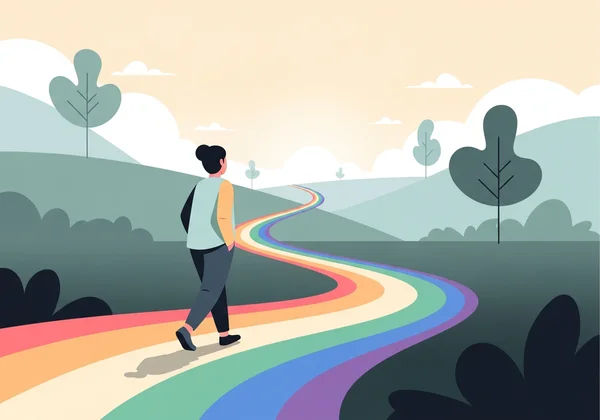
This guide will walk you through your feelings in a safe and supportive way. Remember, there's no right or wrong way to feel, and this exploration is a brave and important step.
Understanding Your Starting Point: Before You Take the Test
Before you jump into any quizzes or labels, it’s helpful to take a moment and check in with yourself. This first step is about creating a safe space for honest reflection. It’s about acknowledging your feelings without judgment.
Common Signs You Might Be Questioning Your Orientation
Questioning your sexuality is a common and natural experience. It can happen at any age and in many different ways. You might recognize some of these feelings in yourself:
-
You feel a strong emotional or romantic connection to people of the same gender that feels different from your other friendships.
-
When you imagine your future, you're not sure if a heterosexual relationship is what you truly want.
-
You find yourself drawn to LGBTQ+ characters in movies, books, or TV shows, relating to their stories on a personal level.
-
Labels like "straight" or "heterosexual" feel like they don't quite fit, even if you can't explain why.
-
You're curious about what it would be like to be in a relationship with someone of the same gender.

If any of these resonate with you, know that you are not alone. These are common starting points for many people on their journey of self-discovery.
Normalizing the Questioning Process
It is completely normal to question your sexuality. Society often assumes everyone is straight, which can make it confusing when your feelings don't align with that expectation. This questioning phase is not a sign of being broken or confused in a bad way. Instead, it’s a sign of self-awareness.
Exploring your identity is a part of being human. Just like your interests, friendships, and goals evolve, so can your understanding of your attraction. Give yourself permission to be curious. Allow yourself the space to explore without the pressure of finding an immediate answer. This process is yours and yours alone, and it can unfold at its own pace.
Days 1-7: Initial Self-Reflection Exercises
The first week of your journey is about gentle observation. The goal is not to find a definitive label, but to simply notice your feelings and thoughts without judgment. These exercises are designed to help you build a foundation of self-awareness.
Tracking Your Attraction Patterns
For one week, keep a private journal. This is for your eyes only, so be as honest as you can. Each day, take a few minutes to reflect on these questions:
- Who did I find myself thinking about today? (This can be people you know, celebrities, or even fictional characters.)
- What was it about them that was appealing? Was it their looks, their personality, their kindness, or something else?
- Did I experience any feelings of attraction? What did it feel like in my body? (e.g., excitement, warmth, nervousness).
- Did I notice any differences in how I feel about people of different genders?
This exercise isn't about collecting data to prove anything. It's about becoming more familiar with your own inner world. It helps you see your feelings as they are, not as you think they should be.
Understanding Emotional vs. Physical Attraction
Attraction is complex. It’s not just one thing. Two major components are emotional and physical attraction. Understanding the difference can bring a lot of clarity.
- Physical Attraction: This is about finding someone's appearance appealing. It’s the desire to be physically close to them, whether it's holding hands, hugging, or more intimate acts.
- Emotional Attraction: This is about wanting to connect with someone on a deeper level. You admire their personality, you value their opinions, and you feel a strong desire to share your thoughts and feelings with them.
Reflect on your past and present attractions. Do you feel one type more strongly than the other? Do they always happen together for you? For some people, emotional connection comes first, while for others, physical attraction is the initial spark. There is no right or wrong combination.
Days 8-14: Taking Your Orientation Assessment
After a week of self-reflection, you may have more clarity, or you may have more questions. Both are perfect. Now is a great time to use a tool designed to help you organize these thoughts.
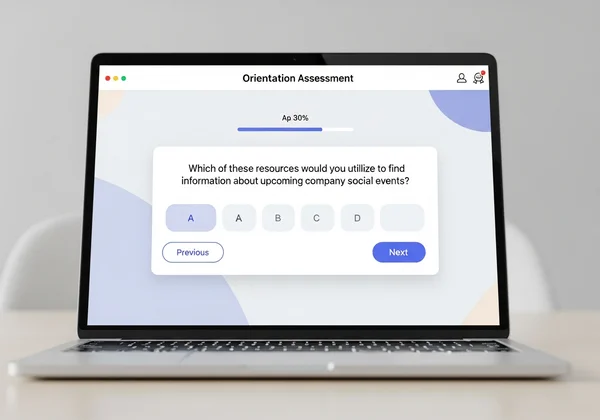
Preparing for Your Gay Test: Setting the Right Mindset
A "gay test" or orientation quiz is not a medical diagnosis. It's a mirror, reflecting the answers you provide. To get the most out of it, approach it with the right mindset.
First, find a private, comfortable space where you won't be interrupted. Remind yourself that this is a safe, confidential process. The answers are for you. Second, answer honestly. Don't choose the answer you think you're "supposed" to pick. Choose the one that feels most true to you in this moment. Finally, remember that the result isn't a final verdict. It's a starting point for deeper reflection. You can begin this step by taking our gay test.
Understanding Your Initial Results
Once you complete the questions, you'll receive your initial results. These results are based on the patterns in your answers. They might suggest you lean towards being gay, bisexual, straight, or another orientation. Or, they might indicate you are still exploring.
Whatever the result is, take a deep breath. How does it make you feel? Surprised? Relieved? Confused? All of these reactions are valid. Use the result not as a label, but as a conversation starter with yourself. Does it seem to align with the feelings you tracked in your journal? Why or why not? The most valuable part of this process is the insight you gain, not the word on the screen.
Days 15-21: Deepening Your Understanding with AI Analysis
Your initial results provide a great overview. But what if you want to go deeper? What if you want to understand the "why" behind your feelings? This is where modern technology can offer a unique and personalized perspective.
What Makes the AI Exploration Report Different
While standard quizzes give results based on a fixed set of rules, our optional AI-powered analysis offers something more. After the main quiz, you can choose to answer more personalized questions. The AI then analyzes your unique combination of answers to generate a detailed "Exploration Report."
This report goes beyond a simple label. It highlights the nuances in your attraction and discusses how your emotional and physical feelings interact. The insights are also tailored specifically to your situation. It’s like having a guide that helps you connect the dots in your own story, providing a much richer and more personalized level of understanding. For those seeking deeper insights, our AI-powered analysis can be a powerful tool.
Using Your Personalized Insights for Further Growth
Your AI Exploration Report is a resource for continued growth. Read through it carefully. Highlight sections that particularly resonate with you. Use these insights as prompts for further journaling.
For example, if the report notes that you seem to value emotional connection highly, you can explore that further. How has that shown up in your life? If it discusses fluidity in your attraction, you can reflect on times your feelings have shifted. This personalized feedback helps you move from "what" you feel to "why" you might feel that way, empowering you on your journey.
Days 22-30: Building Your Support System and Moving Forward
Self-discovery doesn't happen in a vacuum. The final week of this 30-day guide is about connecting with the outside world and planning your next steps. Finding community and resources is crucial for long-term well-being.
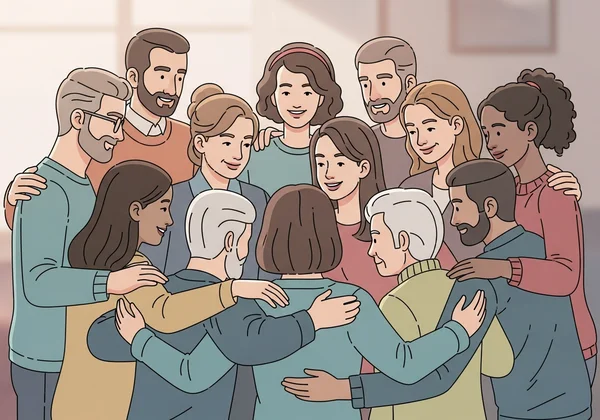
Finding LGBTQ+ Resources and Communities
You are not alone on this path. Countless organizations and communities support LGBTQ+ individuals. Online forums, local community centers, and global organizations like The Trevor Project or PFLAG offer safe spaces, information, and support.
Start by searching for LGBTQ+ groups in your area or online communities focused on topics you're interested in. Reading stories from others who have gone through similar experiences can be incredibly validating. It reminds you that questioning is a shared human experience.
Navigating Relationships and Identity Disclosure
As you become more comfortable with your understanding of yourself, you might think about sharing this part of you with others. This is often called "coming out." It is a personal decision, and there is no pressure to do it.
If you decide to tell someone, choose a person you trust and feel safe with. Think about what you want to say beforehand. It’s okay if you don’t have all the answers. You can simply share that you are on a journey of exploration. Your safety and well-being are the top priorities.
Your Ongoing Journey of Self-Discovery
You've made it through the 30-day journey! That's a brave and important step in getting to know yourself better. Remember, understanding who you are isn't a destination - it's a lifelong adventure of discovery.
Revisiting Your Assessment Over Time
Sexuality can be fluid. How you feel today might be different from how you feel in a year or five years. It can be helpful to revisit your self-reflection exercises or even retake the quiz from time to time. This helps you check in with yourself and acknowledge any changes in your feelings.
Additional Resources for Continued Growth
This guide is just the beginning. Continue to be curious. Read books, watch films, and listen to stories from the LGBTQ+ community. Most importantly, be kind to yourself. You are on a unique and valid path.
The journey to understanding your sexual orientation is one of the most personal explorations you can undertake. It requires courage, honesty, and self-compassion. If you're ready to take the next step and gain more clarity, start your self-discovery with our free, confidential orientation quiz.
FAQ Section: Frequently Asked Questions About Sexual Orientation Discovery
How accurate is the orientation assessment?
Our orientation assessment is best understood as a self-reflection tool, not a diagnostic test. Its accuracy depends on your honesty and self-awareness. It is designed to reflect the answers you provide and help you see patterns in your feelings. The results are a starting point for your personal exploration, not a final judgment. For a deeper look, you can always explore the quiz.
Can my sexual orientation change over time?
Yes, for many people, sexual orientation can be fluid and change over time. This is a completely normal and valid experience. Some people’s understanding of their identity deepens, while others find their attractions shift. The concept of "sexuality as a spectrum" acknowledges this beautiful complexity.
What if I don't identify with any of the results?
That is perfectly okay! The goal of the assessment is not to force you into a box. If none of the results or labels feel right, it might mean your identity is unique, still unfolding, or that you simply prefer not to use a label. Your experience is valid on its own terms, with or without a specific name for it.
Is it normal to feel confused during this process?
Yes, it is incredibly normal to feel confused. You are untangling years of societal messages, personal experiences, and deep-seated feelings. Confusion is often a sign that you are engaging in a meaningful and honest way. Be patient and gentle with yourself. This is a journey, not a problem to be solved overnight.